



Biosolutions are reliable and cost-effective alternatives to synthetic inputs. Aligned with agroecological practices and animal welfare, they help secure profitability for agricultural professionals. Designed to meet the needs of today’s and tomorrow’s farming, explore the different types of biosolutions, their key benefits, and what to consider before getting started.
Introduction to biosolutions
Biosolutions encompass a range of sustainable tools that are rapidly evolving to meet the challenges of modern farming. By leveraging natural resources, they help farmers reduce their environmental impact while securing the yield of their crops.
By harnessing the power of nature, biosolutions deliver a wide range of benefits.
For example, they:
- Reduce the need for expensive chemical inputs,
- Limit soil erosion and improve soil structure and fertility,
- Help prevent pest infestations and plant diseases,
- Secure or even boost crop productivity, and more.
In other words, they are natural solutions that support profitable, healthy and sustainable food production over the long term.
At VERTAL, our passion for living systems and our agronomic expertise in managing the pH–RedOx balance allow us to design and manufacture VERTAL biosolutions that meet the needs of agricultural professionals.
Our soil, crop, livestock, and manure management ranges cover the full spectrum of farmers’ and livestock producers’ needs—making it easy and fast to take action. Discover them!

Agricultural biosolutions: advantages and benefits
Increasingly popular, biosolutions offer numerous benefits across various levels of a farming operation—from the field ecosystem to final financial outcomes. Below is a (non-exhaustive and evolving) list of known and proven advantages compared to traditional chemical treatments:
- Safe to use,
- Generally lower cost than chemical inputs,
- Preserve soil fertility (without causing oxidation),
- Help improve crop quality: with enhanced photosynthetic activity, both root development and leaf biomass are boosted, resulting in higher productivity.
- Also enhance overall plant immunity, making them a powerful tool to fight diseases, parasites and pests.
Biosolutions for agriculture provide farmers with effective and eco-friendly tools—without compromising the safety and well-being of users, animals and the environment.
The different types of biosolutions for agriculture
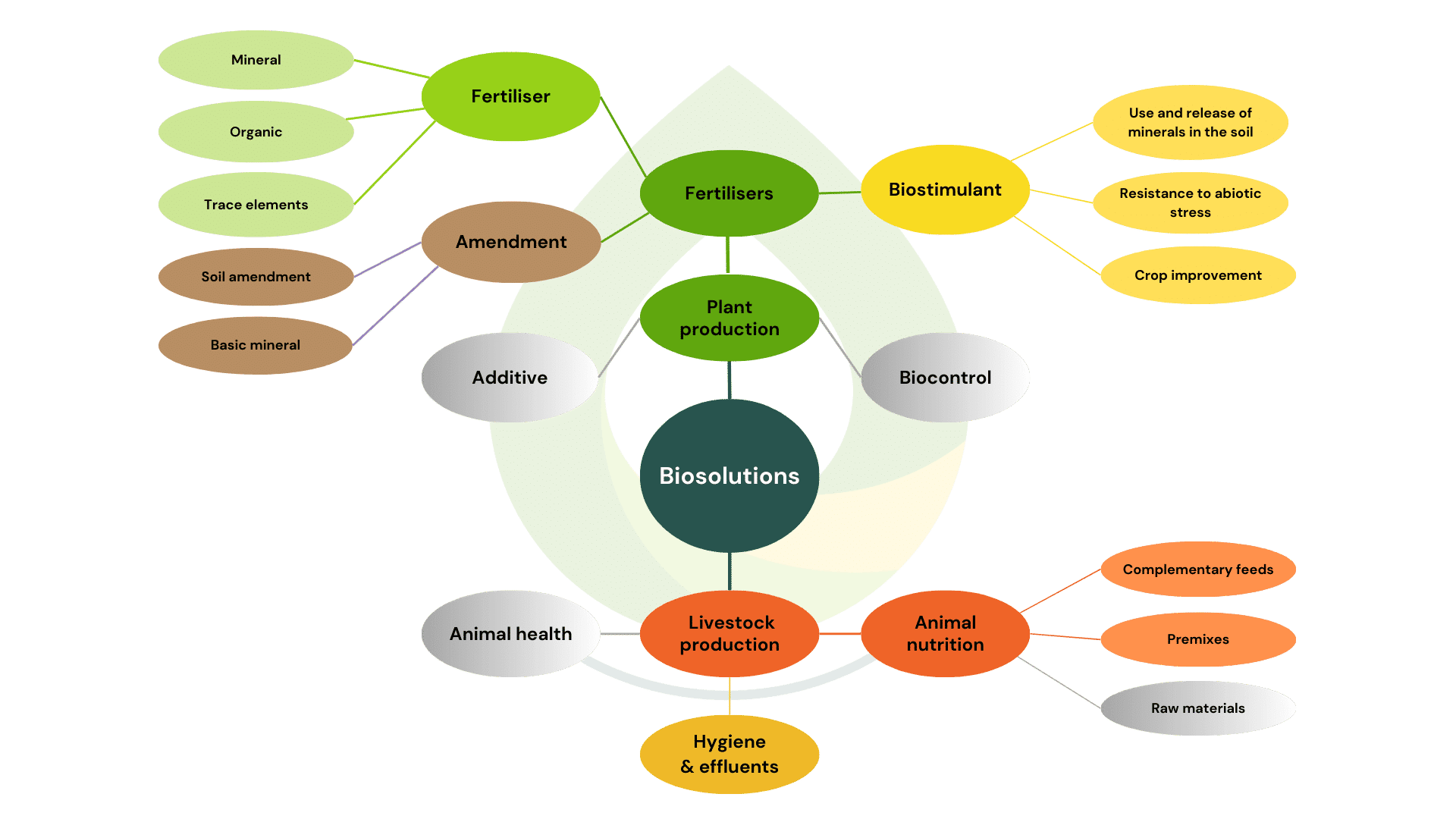
Biosolutions are agricultural products derived from natural raw materials. They are classified into the three main input categories used in crop production and livestock farming:
Biofertilisers
Fertilisers are inputs that promote better plant development either directly or through soil action. Several types of fertilisers exist, classified by function. The three main ones are:
- Fertilisers: support crop growth by supplying the nutrients essential to plant development.
- Soil amendments: improve crop growth by enhancing soil chemistry (e.g., basic mineral amendments) and structure (e.g., organic amendments).
- Biostimulants: enhance plant development through various mechanisms such as improving crop function and quality, reducing abiotic stress and increasing mineral availability in the soil. (Read our dedicated article on biostimulants: definition and scope)
At VERTAL, our ingredients are carefully selected for their proven agronomic properties (supported by validated scientific research).
This selection process is part of a specific technological and industrial manufacturing approach where VERTAL’s agronomic expertise ensures concentration of all benefits of our ingredients into what we call the VERTAL Core. The VERTAL Core is then combined with carriers for improved stability and ease of use.
In addition, VERTAL has chosen to preserve native ecosystems and their endemic microbial populations by avoiding the addition of exogenous microorganisms or bacteria to its biosolutions.
Biocontrol Products
Crop protection products are used to protect plants from harmful organisms to ensure healthy development (fungicides, insecticides, herbicides and growth regulators).
These include chemical plant protection products, natural plant protection products (microorganisms, mediators, and natural substances), and macroorganisms. The latter two fall under the category of biocontrol.
Biocontrol products are generally safer for the environment than synthetic chemicals and offer an alternative approach to pest and disease control.
Adjuvants
Adjuvants are products that enhance the effectiveness of fertilisers and crop protection products by being combined with them during application. They can be of synthetic or natural origin.
An adjuvant can help slow the drying of droplets, increasing the action time of the active ingredients of the product accompanying the adjuvan. This can either be a chemical or natural product such as VERTAL AMINOFIX.
Animal Hygiene and Welfare Products
In livestock farming, biosolutions play a role in herd management through:
- Complementary feeds made from natural ingredients, which help improve animal well-being through digestive comfort.
- Natural treatments applied to effluents to create an environment for the animals that is less harmful to their health.
At VERTAL, we carefully combine plants and minerals in feeds to support a societal expectation of reducing the use of allopathic products.
To place animals in optimal comfort conditions and support productive performance, biosolutions help maintain the integrity of the digestive tract and microbiota.
VERTAL biosolutions also promote the growth of aerobic microorganisms in livestock effluents. This aerobic activity reduces harmful gases, sanitises bedding and improves the fertilising potential of manure and slurry.
Thanks to a technological and industrial production process tailored to animal production, VERTAL’s agronomic expertise lies in combining carefully selected ingredients with targeted benefits within the VERTAL Core. This core is then integrated into carriers for improved stability and ease of use for livestock farmers.
Regulatory considerations to keep in mind
Biosolutions are not formally recognised as a specific category under current regulations. They fall under the regulatory framework of their respective product type. Thanks to their natural composition, most can be used in organic farming.
Regardless of the regulation, and like any other agricultural product, biosolutions must demonstrate both safety and efficacy. Whether for fertilisers or animal products, national and European regulations require that any claims be proved—and in some cases, certified.
All VERTAL products are registered under national standards or European regulations for market authorisation. Our products approved for organic farming are certified by Bureau Veritas, and our animal nutrition range is certified under the OQUALIM RCNA standard.
VERTAL fully understands that proven field performance with farmers and livestock producers must go hand-in-hand with rigorous testing and trials conducted in collaboration with leading research institutions such as INRAE and CIRAD.
In conclusion, the agricultural sector is undergoing a profound transformation. Agroecological transition is now essential, and regulations are gradually opening up to what are currently known as alternative solutions.
Combining field evidence with institutional support
Tested & Approved Effectiveness
VERTAL fully understands that proven field performance with farmers and livestock producers must go hand-in-hand with rigorous testing and trials conducted in collaboration with leading research institutions such as INRAE and CIRAD.
Without this joint R&D effort and validation by independent laboratories, natural approaches could too easily be dismissed as magic remedies—something the industry has seen before.
But being a pioneer means standing firm as a market expert and providing agricultural professionals with solid, reliable proof.
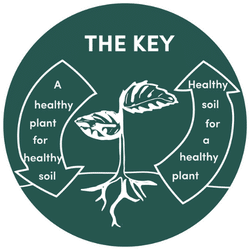
The key advantage of VERTAL biosolutions is that they deliver a range of benefits across the entire ecosystem of the plot, whereas conventional plant protection products typically address only one issue at a time and offer no lasting effect.
It’s also important to note that, compared to chemical inputs, biosolutions are "further" monitored—not only from a regulatory standpoint but also in terms of proven effectiveness. Biosolution manufacturers face the dual challenge of proving that their products are at least as effective as their chemical competitors.
Regulations governing agricultural biosolutions vary from country to country, but the core principles remain the same. Governments must strive to protect the safety of their citizens while promoting a safe and sustainable agroecological transition.
What are the current trends in agricultural biosolutions?
Agricultural biosolutions are already transforming the farming sector of today—and they will undoubtedly continue to do so. With technological advancements and growing demand for more responsible and healthier consumption that respects the planet’s resources, it's no surprise that the agricultural industry is turning to biosolutions.
This momentum puts agricultural biosolutions on the right track to becoming a major player in the future of the agricultural market. But to achieve this, we must first and foremost talk about them—and especially, make them accessible to everyone!
One clear trend in the farming sector is that farmers and livestock producers want to master this technical topic and gain the knowledge they need to use biosolutions effectively in their operations.
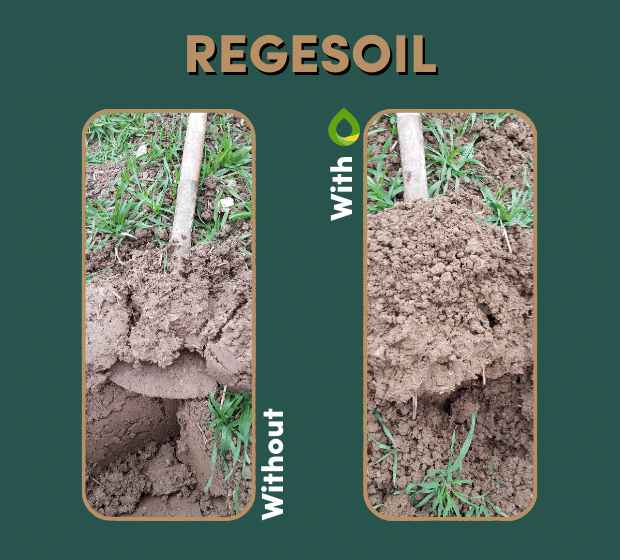
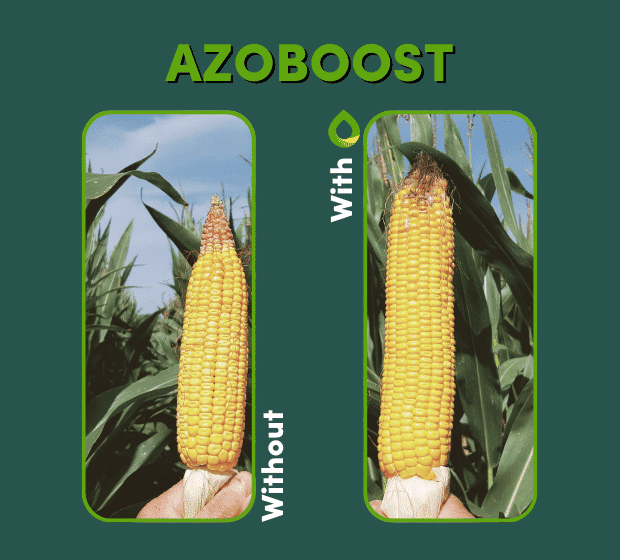
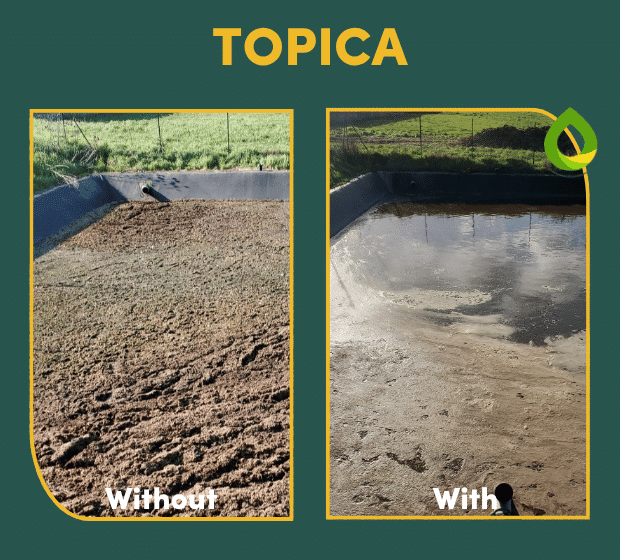
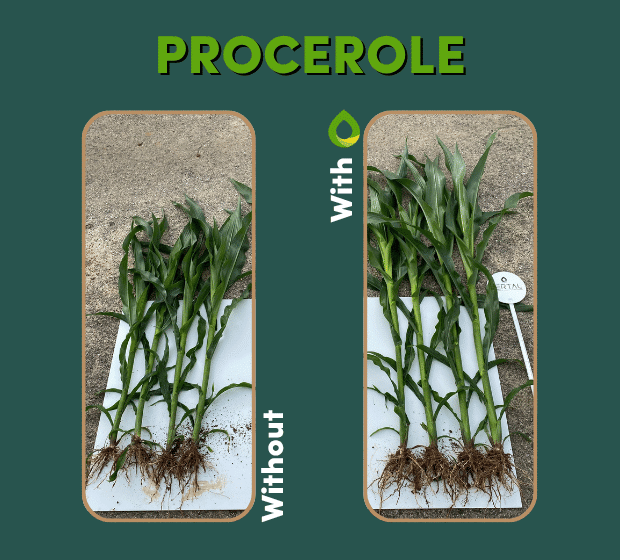
VERTAL Biosolutions: proof of effectiveness
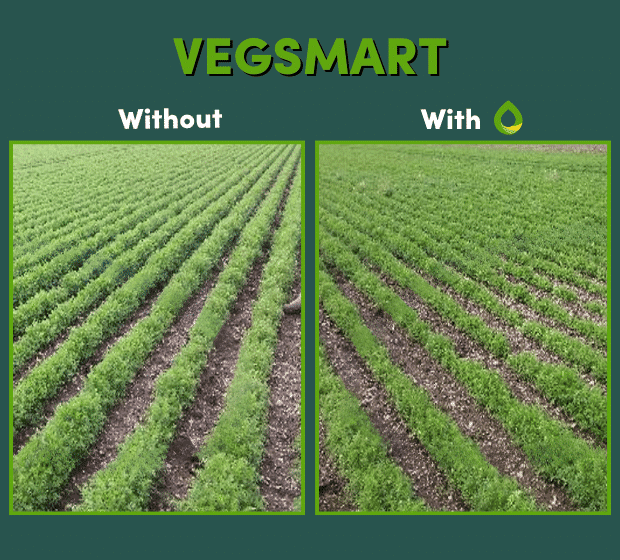
Want to learn more? Don’t leave without taking a look
A 25-Year-Long Success Story